Masai Mara or Serengeti? How to choose between them
They are one ecosystem split by a border. The Mara is smaller, denser and in 2026 costs up to US$200 a day in park fees; the Serengeti is ten times the size and charges US$70–83. Here is which one suits which trip.
Short answer: the Masai Mara is better for a short trip and for guaranteed density — you can see a great deal in three days. The Serengeti is better for a longer trip, for variety, and for cost: park fees are roughly US$70–83 per person per day against the Mara's US$100–200 in 2026.
They are the same ecosystem. The border between Kenya and Tanzania runs through it, the herds cross without noticing, and the animals are identical. What differs is size, price, crowding and how long you need.
The size difference is the whole story
The Masai Mara National Reserve covers roughly 1,510 km². The Serengeti covers about 14,750 km² — very nearly ten times larger.
That single fact explains almost every other difference:
- The Mara concentrates wildlife into a small area. Drives are short, sightings come quickly, and three days is genuinely enough. This is why it is the standard choice for anyone adding a safari to a beach holiday or a business trip.
- The Serengeti spreads it across a landscape you cannot cross in a day. Seronera in the centre is four hours from the northern river crossings. You need more days, and you will spend some of them driving.
- Vehicle density follows the same maths. A famous sighting in the Mara can attract a queue. The same sighting in the Serengeti is usually quieter, simply because there is more room.
What each actually costs in 2026
Park fees are the part nobody can discount, and this is where the two diverge sharply.
| Masai Mara | Serengeti | |
|---|---|---|
| Non-resident adult, per day | US$100 (Jan–Jun) rising to US$200 (Jul–Dec) | US$70–83 |
| Children / students | US$50 | reduced rates apply |
| Conservancies alongside | US$70–120 per night on top | concession fees US$60–100 per night |
A family of four spending four days in the Mara in September pays around US$3,200 in park fees alone. The same four days in the Serengeti is closer to US$1,200.
That gap is large enough to change the trip. It does not make the Mara bad value — the density is real and the drives are shorter — but it should be a deliberate choice rather than a surprise at the end of a quote.
Where the migration actually is
The herds move in a continuous loop. They are in Kenya for a minority of the year.
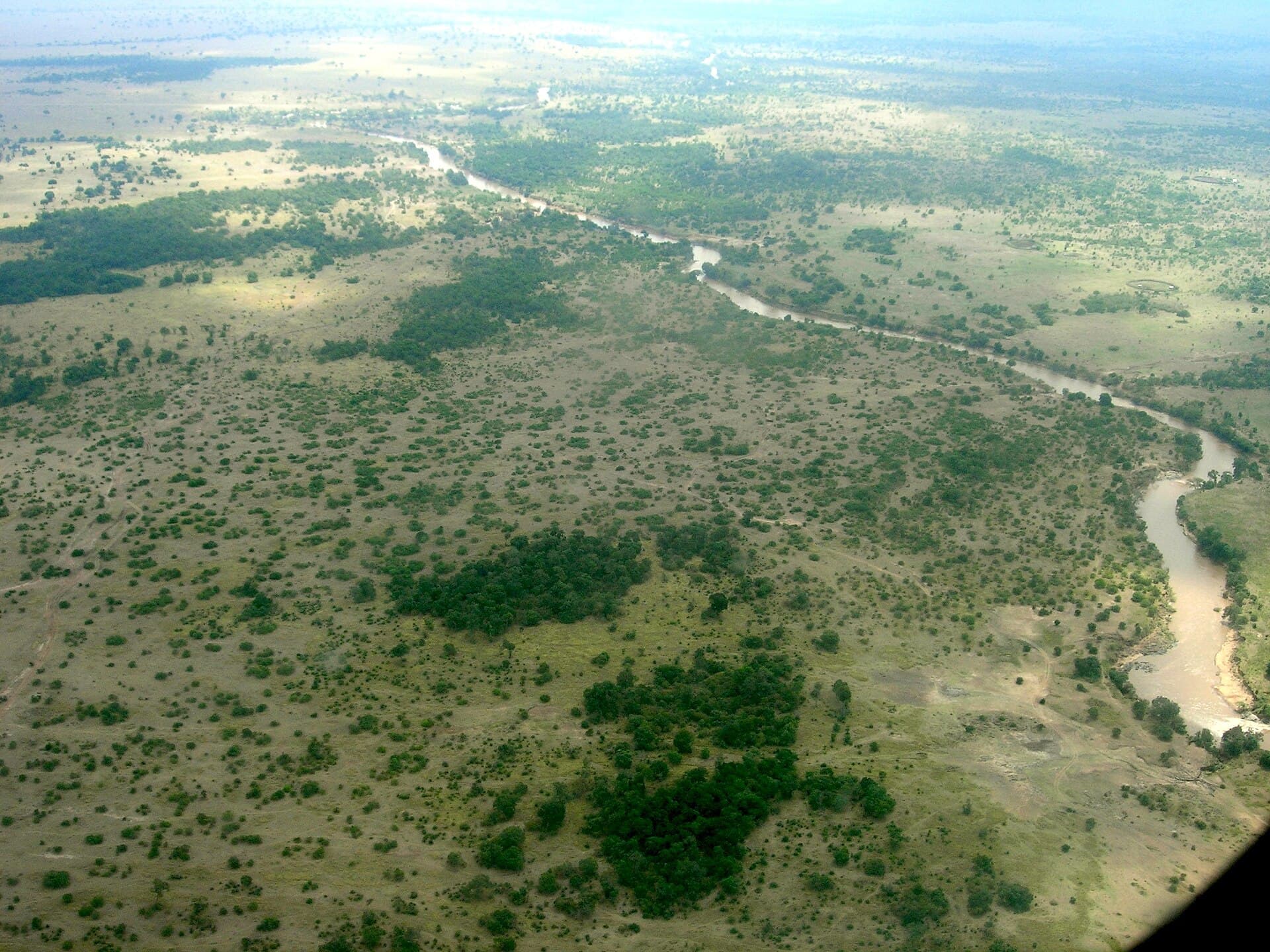
- July to October — the Mara River crossings, in the northern Serengeti and the Masai Mara. This is what the photographs show, and it is also when Kenya charges US$200 a day.
- November to June — the herds are in Tanzania. Calving on the southern Serengeti plains falls around January to March, and predator activity then is the best of the year.
So if the migration is the point and you can only travel in August, the Mara is the obvious answer. If you can travel in February, the Serengeti during calving gives you more animals, fewer vehicles and less than half the park fees.
Getting there
The Mara is easier. Nairobi is a major hub, the flight to the Mara is about 45 minutes, and the drive is five to six hours on a reasonable road. You can be on a game drive the afternoon you land.
The Serengeti takes longer. Kilimanjaro Airport, then either a light aircraft or a long drive through Ngorongoro. Budget most of a day each way.
For a trip of four days or fewer, that difference matters more than anything else on this page.
The honest recommendation
Choose the Mara if: you have three or four days, you are travelling between July and October, you want the river crossings, or you are combining a safari with something else in Kenya.
Choose the Serengeti if: you have a week or more, you are travelling between November and June, cost matters, or you want the Ngorongoro Crater in the same trip — it is two hours away and nothing in Kenya resembles it.
Choose the conservancies bordering the Mara if: you want the Mara's density without the vehicle queues. They charge a nightly conservancy fee on top, cap vehicle numbers at sightings, and permit off-road driving and night drives that the reserve itself does not.
Doing both
If you have ten days, both is a reasonable itinerary — and it is one trip, not two. Flights connect Nairobi and Kilimanjaro daily, and there are cross-border road transfers via Isebania. Expect a full day in transit, and check that your operator handles the border formalities rather than leaving you to it.
Fees are 2026 rates published by the Narok County Government and TANAPA. Both have moved in the last two years and will move again — confirm current rates when you book.